

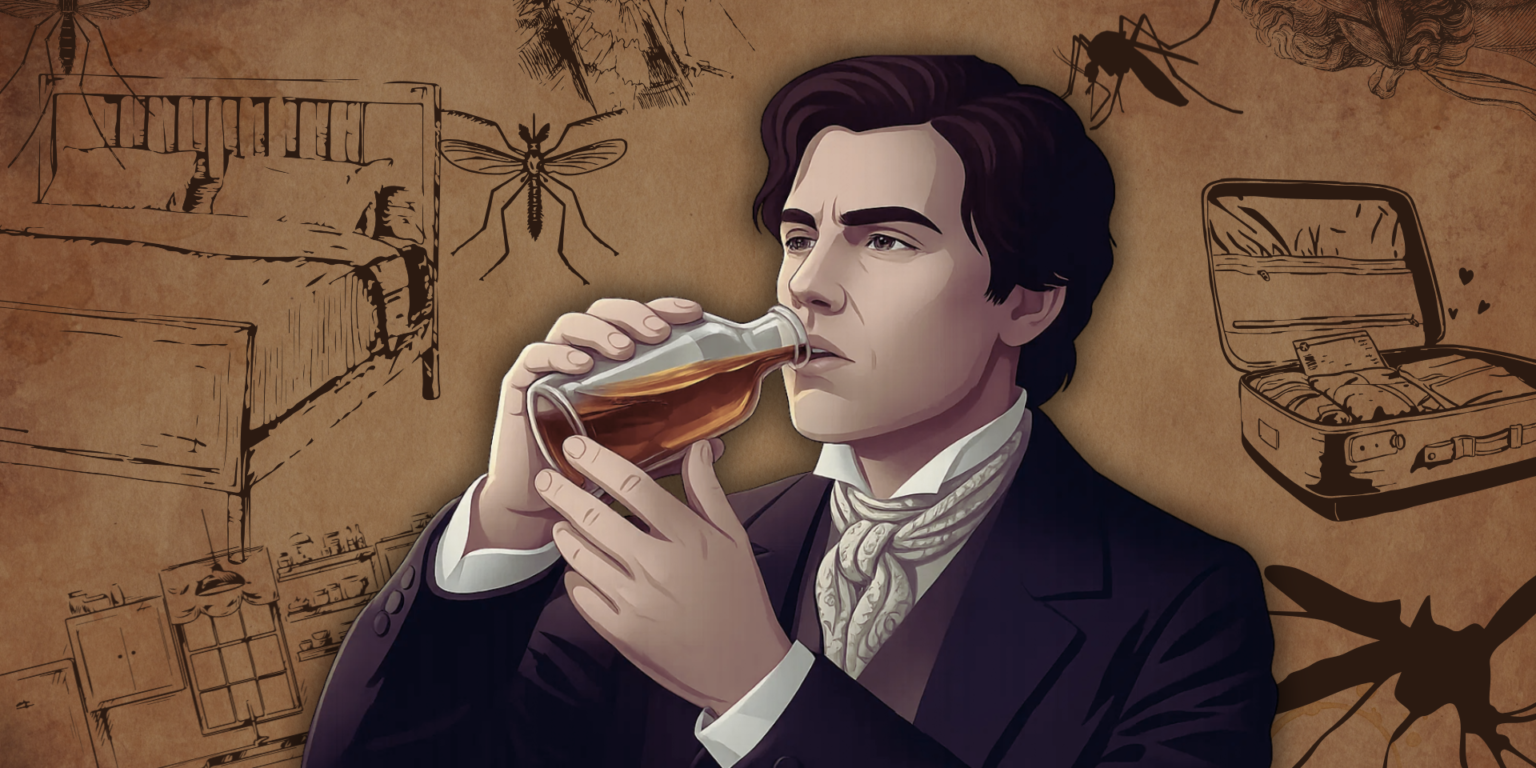
Stubbins Ffirth was an American medical student at the University of Pennsylvania who, in 1804, became obsessed with proving that yellow fever was not contagious. He theorized that the disease was non-contagious, believing that the drop in cases during winter indicated it was more likely a result of the heat and stress of summer months.
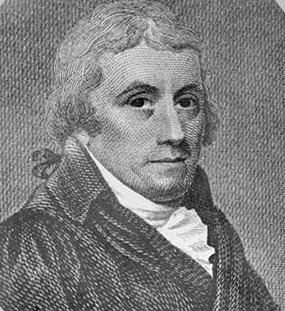
To test his hypothesis, Ffirth first experimented on animals — feeding dogs bread soaked in black vomit harvested from dying patients and trying various other methods on dogs and cats. After five inconclusive animal experiments, he turned to himself as the subject.
Ffirth chose to bring himself into direct contact with bodily fluids from yellow fever patients. He started by making incisions on his arms and smearing infected vomit into the cuts, then proceeded to pour it onto his eyeballs. When that failed to sicken him, he escalated further.
Also Read: Sperm Donor Carrying Rare Cancer-Causing Gene Fathers Nearly 200 Children
He continued by frying the vomit and inhaling the fumes, and finally, when he still did not become ill, he resorted to drinking the vomit undiluted. He then went further, smearing his body with blood, saliva, and urine from infected patients — and still failed to contract the disease.

"wait, that's real?"
Ffirth concluded he had proven yellow fever was non-contagious and published his findings in an 1804 thesis. He was right that it wasn’t directly transmissible person-to-person — but for the wrong reasons. It later emerged that the samples he used had come from late-stage patients who were no longer infectious, and it wasn’t until decades after his death that Cuban scientist Carlos Finlay identified mosquitoes as the true carriers of the disease.
Further Reading: Wikipedia, Alpha History