

In 1985, a British Airtours Boeing 737 caught fire during a takeoff attempt at Manchester Airport. The pilots aborted the takeoff and brought the plane to a stop, but the fire spread rapidly into the cabin. Fifty-five people died, most from the toxic smoke produced by burning materials inside the aircraft.
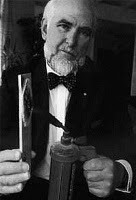
Maurice Ward, a hairdresser and amateur tinkerer, watched the coverage and became determined to find a material that wouldn’t burn easily or fill a cabin with toxic smoke. He started experimenting with heat-resistant, non-toxic plastics, sometimes mixing up to 20 formulations a day.
Eventually, in the late 1980s, he had built something his granddaughter named Starlite. It was a paste-like material that could be spread with a palette knife. Coat it onto almost anything, and it could withstand intense heat while protecting whatever was underneath.
Also Read: The First Vending Machine Was Built Nearly 2,000 Years Ago
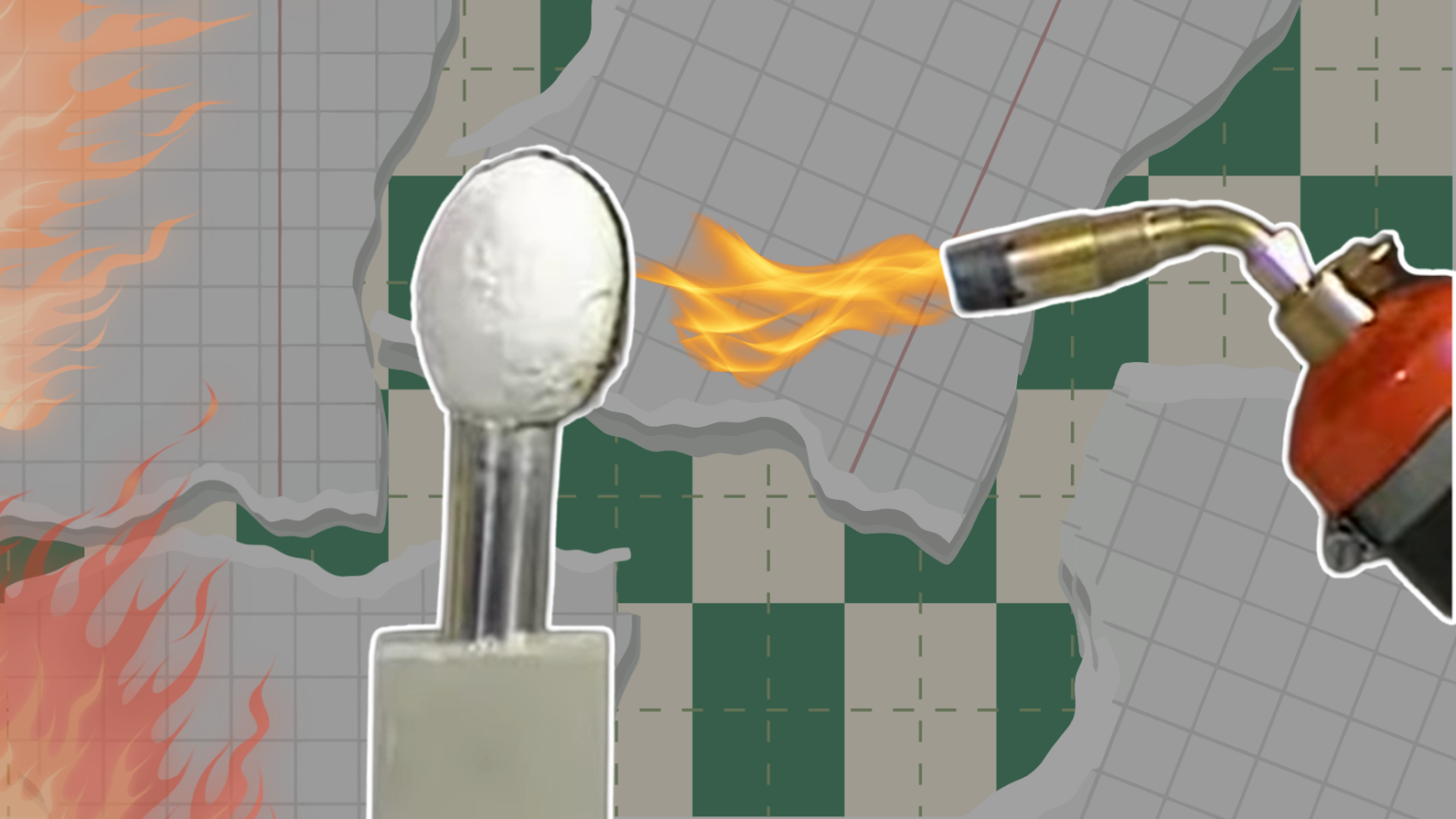
Ward said it could survive temperatures of up to 10,000°C. And in 1990, he went on the BBC show Tomorrow’s World and demonstrated what Starlite could do. He coated a raw egg in Starlite and hit it with a blowtorch for five minutes. When it was over, the egg was still cold, cold enough for the presenter Michael Rodd to pick it up with his bare hand. He cracked it open, and the inside was still raw.
That demonstration set off a decade of interest from people who do not normally take hairdressers seriously. The UK Ministry of Defence tested it. Sir Ronald Mason, the MoD’s former chief scientific adviser, told a reporter he had started out sceptical of Ward and ended up convinced the material worked, even though nobody could explain exactly how.
Boeing got interested, hoping to strip flammable material out of their aircraft. And then in 1994, a NASA engineer named Rudy Naranjo discussed Starlite on Dateline NBC, floating the idea that it might help protect the Space Shuttle’s fragile heat shield.
"wait, that's real?"
But there was no easy way for any of them to take the next step. Ward kept the full formula secret and refused to let anyone take a sample away for independent analysis. Organizations could test Starlite, but only with Ward present. He feared that once a laboratory had the material in its hands, someone would reverse-engineer it and cut him out.
That made Starlite an extraordinary but frustrating proposition. Companies and government agencies could see what it could do, but they could never independently verify exactly what they were being offered.
And that secrecy eventually became a major obstacle to turning Starlite into a real commercial product. Ward wanted what he believed the invention was worth, reportedly billions of dollars. At the same time, potential buyers were being asked to pay enormous sums for a formula they were never allowed to verify independently. Years of talks with many organisations ultimately failed, and Starlite never became a commercial product.
Materials scientist Mark Miodownik, who has spent years fascinated by the case, has expressed doubts that Starlite ever had real commercial legs, whatever its performance in demonstrations may have been.
Then, when Ward died in 2011, the original formula seemed to disappear with him. He never trusted a single document with the complete recipe, keeping it in his head instead. But the story didn’t quite end there. In 2013, an American company called Thermashield claimed it had acquired Ward’s notes and equipment from his family and was working to recreate Starlite. The company says it has successfully recreated the material and had it tested by independent laboratories.
Also Read: Greek Fire: The Ancient Flamethrower That Was Never Recreated
Others went looking for the secret from scratch. A hobbyist YouTuber, Ben Cusick of NightHawkInLight, came up with his own recipe using cornstarch, PVA glue and baking soda. He spread it over his hand, placed coins on his palm and turned a blowtorch on them. The coins heated enough to melt, while the hand underneath remained protected.
Through it all, what began with a hairdresser trying to solve a problem after watching a plane fire eventually became Starlite, a material that seemed to make fire lose its power. Ward spent years refusing to give up his secret, even as scientists and engineers from some of the world’s biggest organisations came knocking, hoping to buy it, test it and figure out how it worked. In the end, the world was left with demonstrations, claims and a material that never found its way into everyday use.
Story Sources: Wikipedia, BBC, Scribd, The Guardian, Big Think, Science Focus, The Wrap