

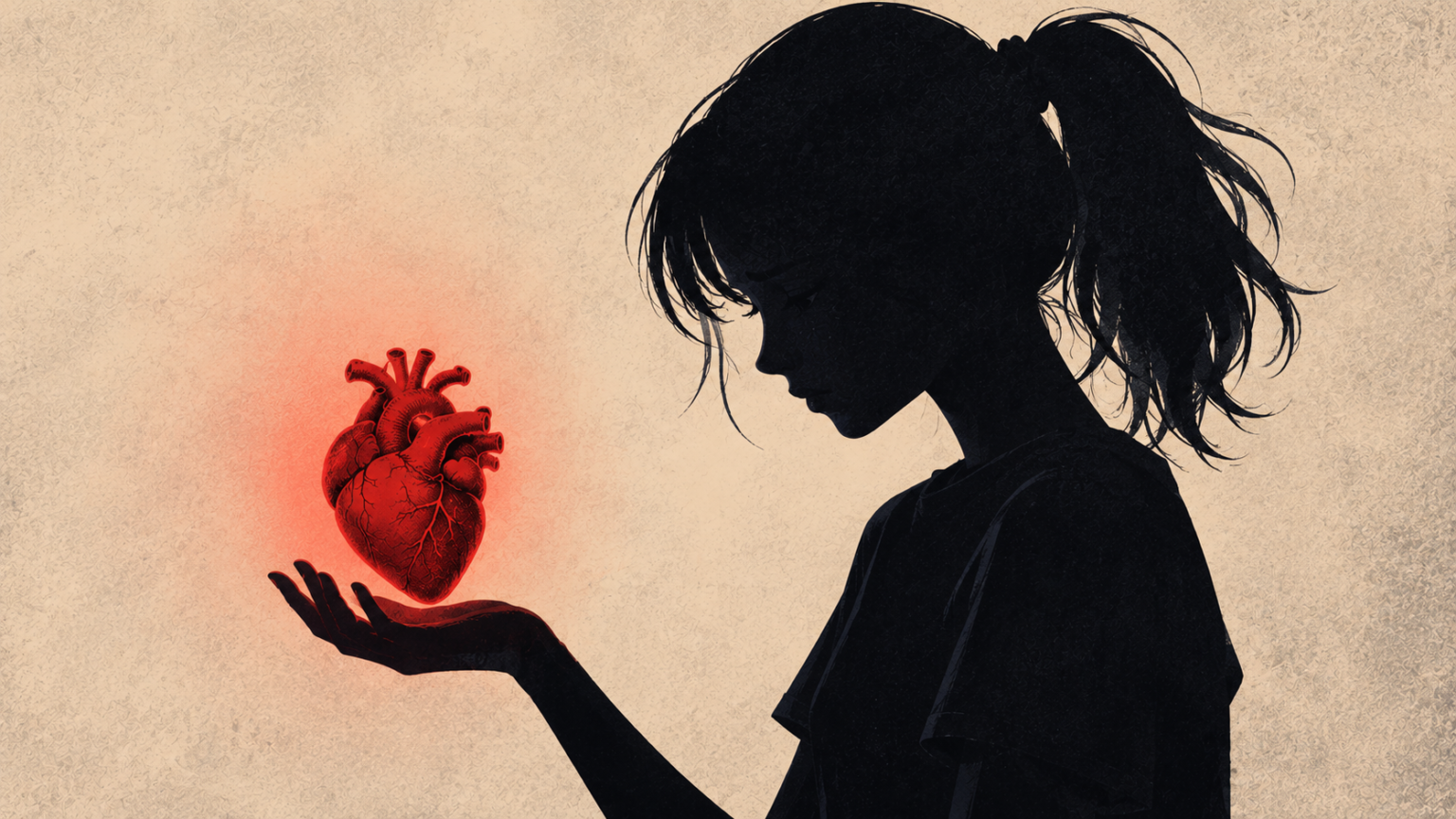
If someone told you a teenager once lived for almost four months with no heart in her chest, you’d probably assume there was a catch, that part of the heart was still there or the story got exaggerated along the way. But there really was no heart. In 2008, a 14-year-old girl named D’Zhana Simmons spent 118 days in a Miami hospital with her blood flow run entirely by machines, and she was awake and talking, and on her better days she was even walking the hospital hallways.
To see how she ended up there, we have to go back to a pain on the left side of her belly while she was at home in Clinton, South Carolina. She was passed through several hospitals in the state before the cause was found, which turned out to be her heart. It had enlarged and weakened to the point where it couldn’t push blood around her body properly, a condition called dilated cardiomyopathy, and a transplant was the only real option. She was flown to Holtz Children’s Hospital in Miami, and after about a week on the waiting list a donor heart became available.
D’Zhana had the transplant on July 2, but within two days it was clear the new heart wasn’t working properly and could rupture, so the surgeons removed it on July 4.
Also Read: The Man Who Ate Nothing for 382 Days
That left her with a big problem. Her own heart had already been removed, the donor heart was now gone too, and there wasn’t another one available to put in her chest. She needed something to keep her alive until a new heart could be found.
While there were devices that could help a failing heart, they were usually meant to assist a heart that was still in the chest, and artificial hearts had only been federally approved for adults, with none approved for children. Options for young patients were limited in general, because these life-threatening conditions were rarer in children and companies didn’t invest as much in technology for them. D’Zhana had no heart in her chest, so her surgeons, led by Dr. Marco Ricci, had to come up with their own solution.
They took a pair of blood pumps called ventricular assist devices, normally used for only a few hours during major operations, and adapted them to run for a long time. They made replacement heart chambers from a special fabric, connected them to the pumps, and attached the whole setup to her blood circulation.
Together, the two pumps kept blood flowing through her body until she could have a second transplant. In Ricci’s own words, “She essentially lived for 118 days without a heart, with her circulation supported only by two blood pumps.” He added, “This, we believe, is the first pediatric patient who has received such a device in this configuration without the heart, and possibly one of the youngest that has … been bridged to transplantation without her native heart.”
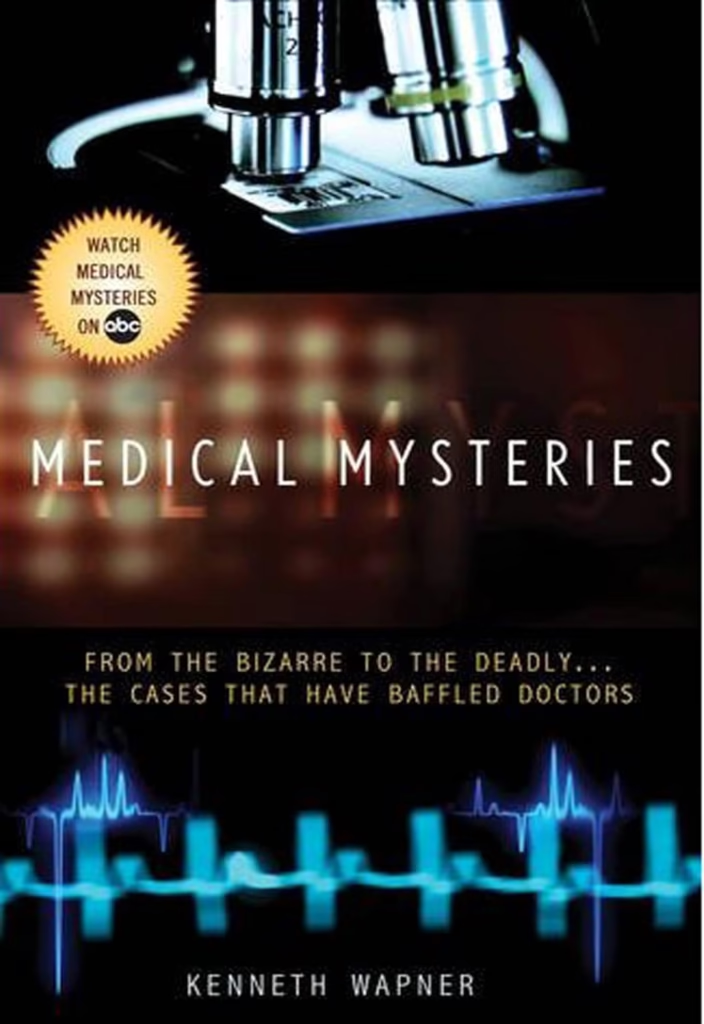
From a man who seemed to be turning into a tree to a musician who could hear his own eyeballs moving, Medical Mysteries: From the Bizarre to the Deadly covers some of the strangest cases from ABC’s Medical Mysteries series.
The setup certainly kept her alive for months, but it didn’t make that period comfortable. She was hospital-bound all the time, spent more than three months fighting off infections, and was extremely weak for most of it. Her kidney and liver had also failed, and she was hooked to the machine the whole time.
Even for a short walk she needed the help of four people, with at least one carrying the photocopier-sized machine, which was the external part of the pumping device. The part she found scary was never knowing when it might malfunction.
D’Zhana finally received her second heart transplant on October 29, and this time it worked. When she left the hospital on November 19, a few days before turning 15, she thanked the surgeons for helping her and then began weeping. She said, “I’m glad I can walk without the machine,” and that she would soon see her five siblings and be able to spend time outdoors again.
Those months, in her words, had made her feel like a “fake person,” with no heart beating inside her, as if she didn’t really exist and was only there. But she knew she really had been here, and that she really had lived without a heart.
Also Read: The Man Who Gave Life to 4 Billion People and Killed Millions
We all know the heart is one of the most essential organs in our body. It keeps blood moving every second, carrying oxygen and nutrients throughout the body. And yet, in D’Zhana’s case, doctors managed to take over that entire job with a machine. That just shows how far medical science has come, to the point where a person can be kept alive even when an organ as vital as the heart is no longer there.
Story Sources: NBC News, Reuters, CBC, OneIndia, MedicalNewsToday, ABC30, University of Miami