


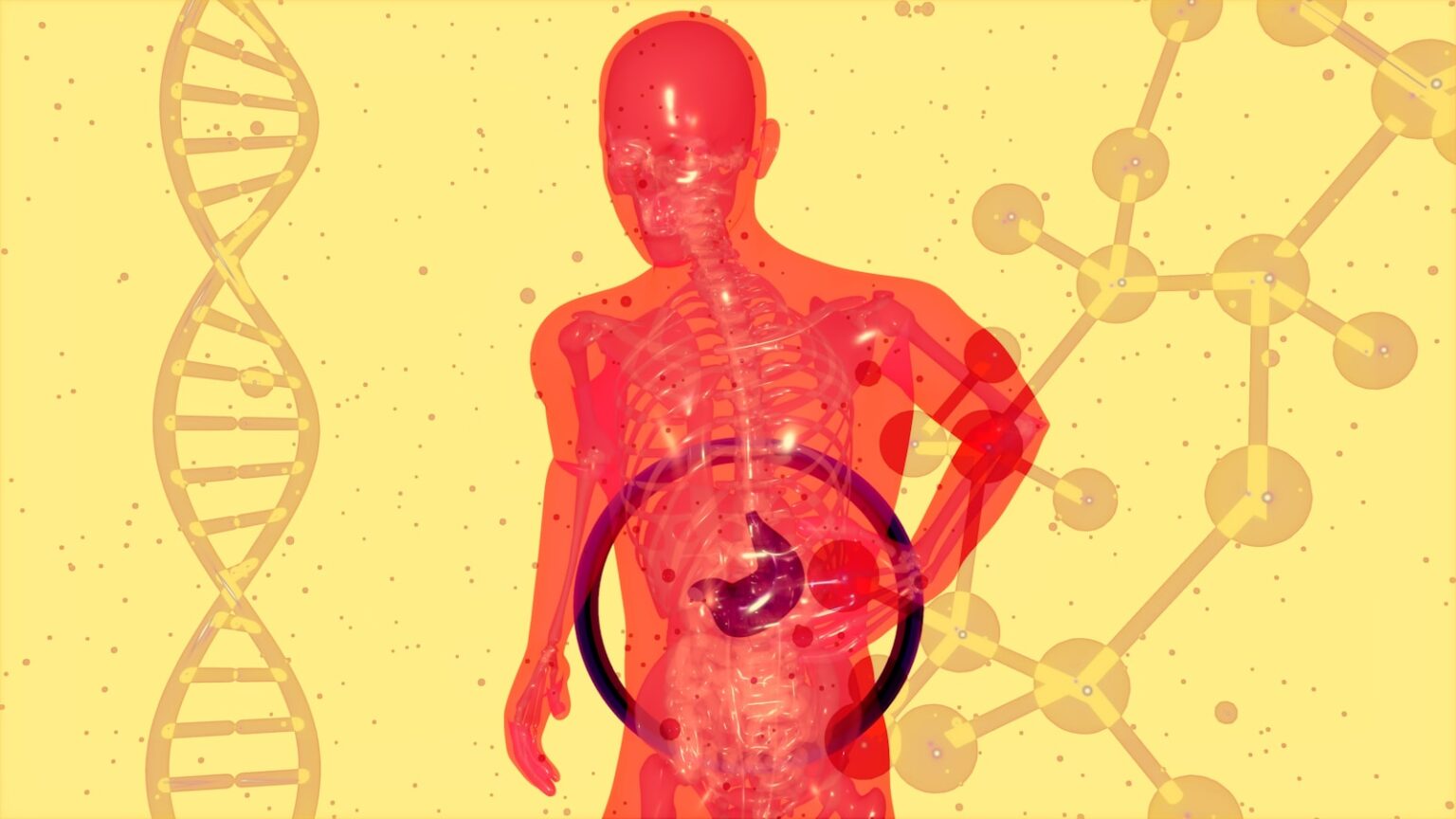
Wow, you totally notice those patterns, right? It’s kind of wild how some illnesses seem to just prefer one sex over the other.
Like, men get more of that colorectal cancer, generally. And then women get hit way harder by a bunch of autoimmune diseases, which occur when your own immune system accidentally attacks your body.
We always have this super easy answer for that. Everyone just shrugs and says, “It’s the hormones.” It’s a simple estrogen versus testosterone showdown, and boom, end of story.
But what if that simple hormone story isn’t the full picture? What if a hidden third player, your gut microbes, is quietly shaping these differences too?
Turns out, new research is dropping this bomb: your hormones are not the only ones running the show. They’re actually just part of this incredibly complex, three-way chat that scientists are now calling the Gut Microbiota–Sex–Immunity Axis.
Now, gut microbiota basically means all the tiny bacteria, viruses, and microbes living in your digestive system. They’re not just passive passengers, as they actively help digest food, make vitamins, and even train your immune system.
So this axis is basically a massive circle connecting your sex hormones, like estrogen and testosterone, your gut microbes, and your immune system.
And this discovery? It’s completely reframing how we look at a ton of non-communicable diseases, such as cancer, diabetes, or autoimmune conditions that aren’t passed from person to person.
Here’s the real mind-blower: your hormones don’t just act on organs like the brain, liver, or reproductive system. They can influence which types of bacteria thrive in your intestines.
If you have higher estrogen or testosterone, it tweaks the specific makeup and diversity of that gut community.
High testosterone, for example, is linked to an environment rich in certain bacterial groups. Estrogen correlates with totally different ones.
This means that men and women often carry somewhat different gut ecosystems, shaped in part by sex hormones.
But wait, it gets even better. This isn’t a one-way thing, as the communication goes both ways.
Your gut bacteria have special enzymes that can actively tweak your hormone levels. They essentially help decide exactly how much active estrogen is circulating in your body, especially for women after menopause.
The hormones and the bacteria are in a continuous, dynamic feedback loop, constantly influencing each other. This ongoing conversation between hormones and bacteria shapes your immune system, which is why it matters for disease.
Think about it this way:
For cancer risk, we already know colorectal cancer is more common in men. Research suggests estrogen may support good bacteria that help the immune system fight tumors. Testosterone, on the other hand, may shift the gut microbiota in ways that promote inflammation, which could raise cancer risk. The bacteria are the foot soldiers, while hormones play a key role in directing them.
For gut health, the strength of your intestinal lining is crucial for keeping harmful substances out. Estrogen seems to reinforce this barrier, while testosterone’s effects can be neutral or even damaging if inflammation is high. A weaker gut lining may let more harmful substances leak through, potentially fueling inflammatory conditions.
And then there’s the exposome, which basically means everything in your environment that affects your body. Things like Diet, medications like antibiotics, and even pollution can influence the gut in sex-specific ways. A high-fat diet might trigger one type of change in a man’s gut, but a completely different set in a woman’s.
We’re finally moving past the idea that it is all just about hormones.
We now know that sex differences in disease are deeply rooted in a sophisticated partnership between gut bacteria, sex hormones, and the immune system.
This isn’t just a cool fact. It’s a major discovery.
It means that to really treat and prevent non-communicable diseases, doctors can’t rely on one-size-fits-all approaches.
Scientists think that in the future, medicine may become more personalized. Treatments could be tailored to an individual’s gut microbes, sex, and hormonal profile.
Story Source: Caldarelli et al. (2025), published in Life (MDPI). Read the original study here.