


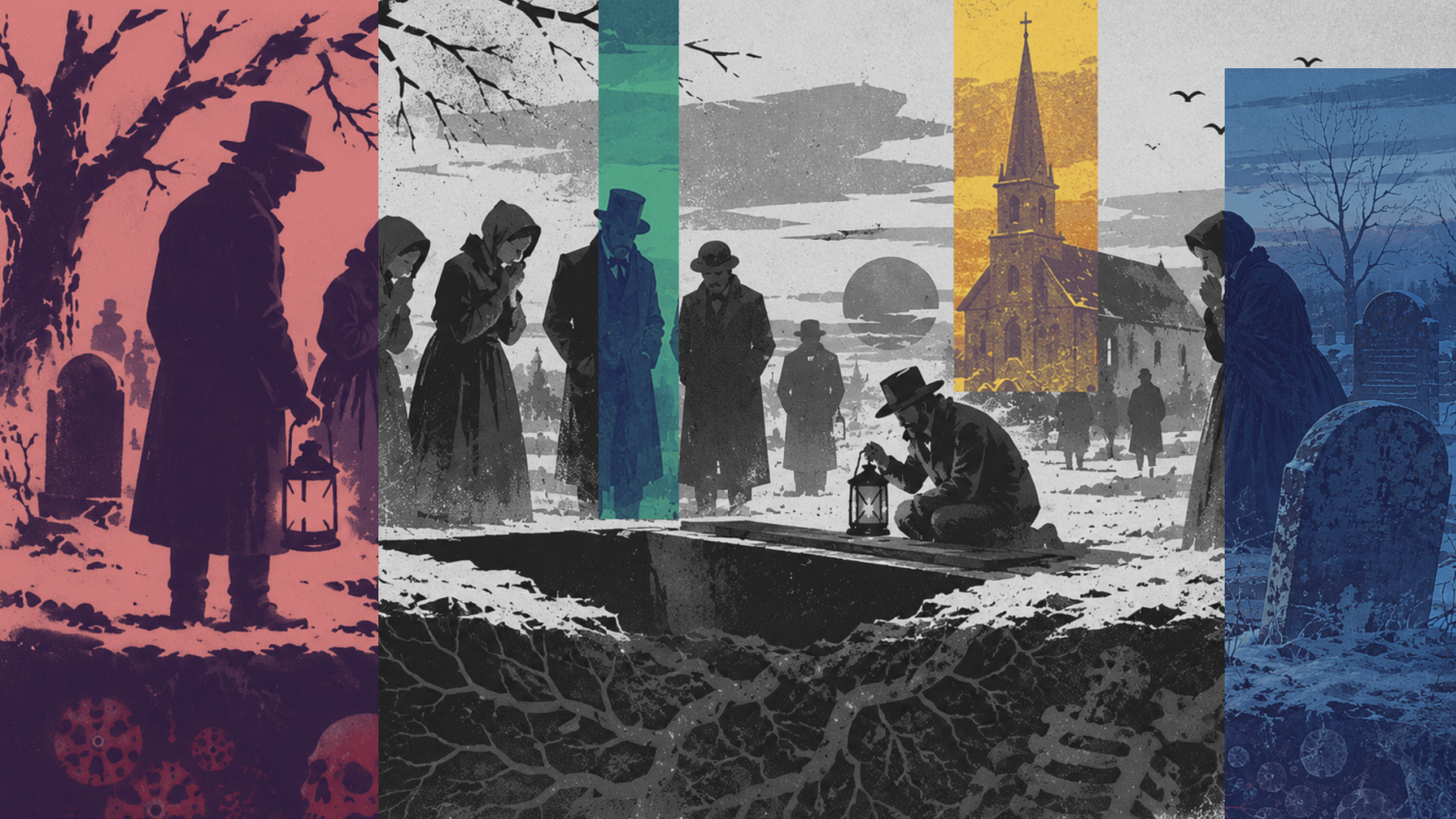
Why would a grieving father let neighbours dig up his dead daughter and burn her heart? Because in 19th-century New England, that was medicine.
Tuberculosis, called “consumption” at the time, was tearing through rural New England. When one family member died of it, others in the same household often fell sick and faded away too. People had no idea it was bacterial. What they saw was a dead relative slowly draining the life from the living.

"wait, that's real?"
Their response was to exhume the bodies. If a corpse looked unusually fresh, or if the heart or other organs still contained liquid blood, it was declared the culprit. Families would then burn the organs, and sometimes make the sick person inhale the smoke or drink the ashes mixed with water. It sounds horrifying now. But to these communities, it was medicine.
Also Read: The Strange Mystery of England’s 1855 “Devil Footprints”
The most famous case unfolded in Exeter, Rhode Island in 1892. Tuberculosis had moved through the Brown family one by one, first the mother, then the eldest daughter, then the youngest daughter Mercy, then finally her brother Edwin fell ill. Neighbors pressured the father, George Brown, to exhume the bodies. When they dug up Mercy, her corpse was oddly preserved and still had blood in the heart. The winter ground had simply slowed decomposition. But to them, that was proof enough.
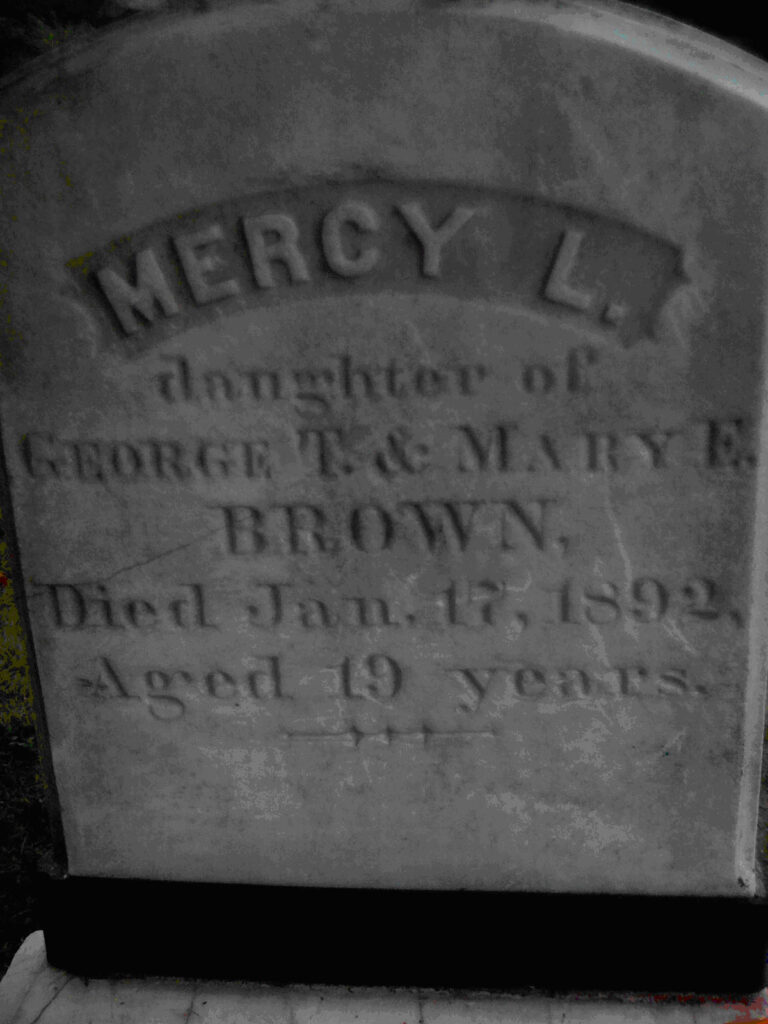
Mercy’s heart and liver were burned. The ashes were mixed with water and fed to Edwin as a cure. Edwin died two months later. George Brown, who had never believed in these things, outlived everyone and died in 1922, just long enough to see a tuberculosis vaccine finally developed.
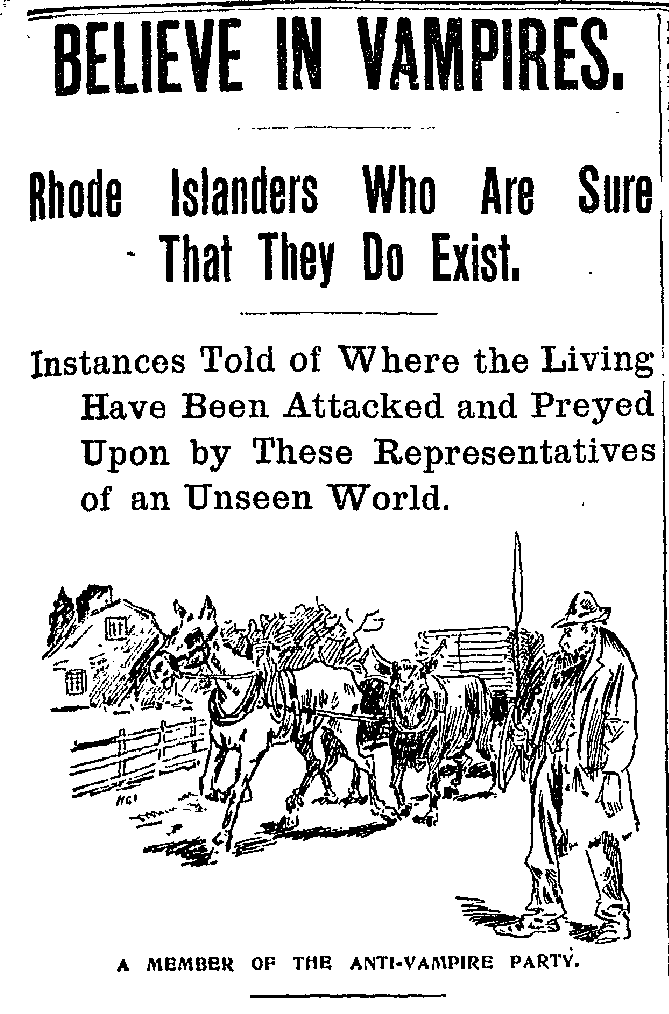
Mercy’s case wasn’t isolated. It was one of several incidents collectively known as the “New England vampire panic.” Throughout the 1800s, dozens of exhumations had taken place across New England. When city newspapers caught wind of them, they were openly dismissive, calling the practice an “old superstition” and a “curious idea.” The word “vampire” came from those same outsiders. The families involved almost never used it.
Some scholars believe Bram Stoker read the newspaper coverage of Mercy’s case and based Lucy Westenra in Dracula on her. If true, one of the most iconic vampires in fiction has her roots not in Transylvania, but in a Rhode Island cemetery, and in a community the press mocked while tuberculosis kept killing.
And if you made it here, you’re the kind of person who’d like what we send on Sundays — stories like this, every week, straight to your inbox. Join our newsletter.
Story Sources: Wikipedia – Mercy Brown, Smithsonian Magazine, New England, Wikipedia – New England vampire panic