

In the 1920s and 30s, a Russian scientist named Nikolai Vavilov had a bold and unusual idea. He believed the world was dangerously dependent on too few crop varieties, meaning a single disease or disaster could wipe out entire food supplies and starve millions.
"wait, that's real?"
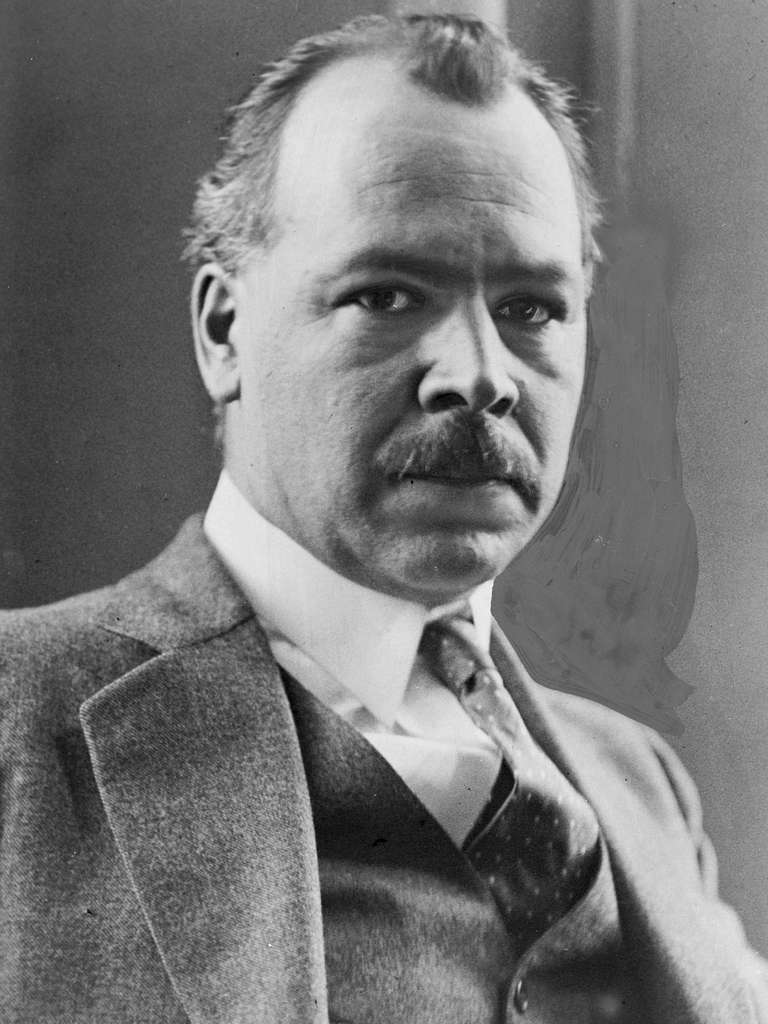
His solution was to travel the world — Afghanistan, Iran, South America, Japan, and dozens of other places — collecting thousands of rare and unique plant specimens. Seeds, tubers, nuts, grains.
He brought them all back to Leningrad and built the world’s first seed bank, a collection of over 250,000 specimens, many of which existed nowhere else on Earth. The plan was simple but visionary — preserve this genetic diversity so future generations could always find a crop resistant to whatever disaster came next.
Also Read: The Med Student Who Drank “Black Vomit” to Test His Theory
But Vavilov never got to see his work fulfilled. Stalin grew suspicious of his western connections, had him arrested in 1940 on false charges of spying, and threw him in prison.
While his colleagues carried on his work, Vavilov was being tortured into a fake confession in a Moscow cell. He was sentenced to death. The sentence was later commuted to twenty years’ imprisonment.
The cruel and bitter irony was that the man who dedicated his entire life to preventing starvation slowly starved to death in a Soviet prison in 1943 — never knowing what was happening to his collection.
What was happening was this.
In June 1941, Germany invaded the Soviet Union and by September had completely surrounded Leningrad, a city of 3 million people. Hitler’s strategy was deliberate — not to storm the city but to starve it into surrender.
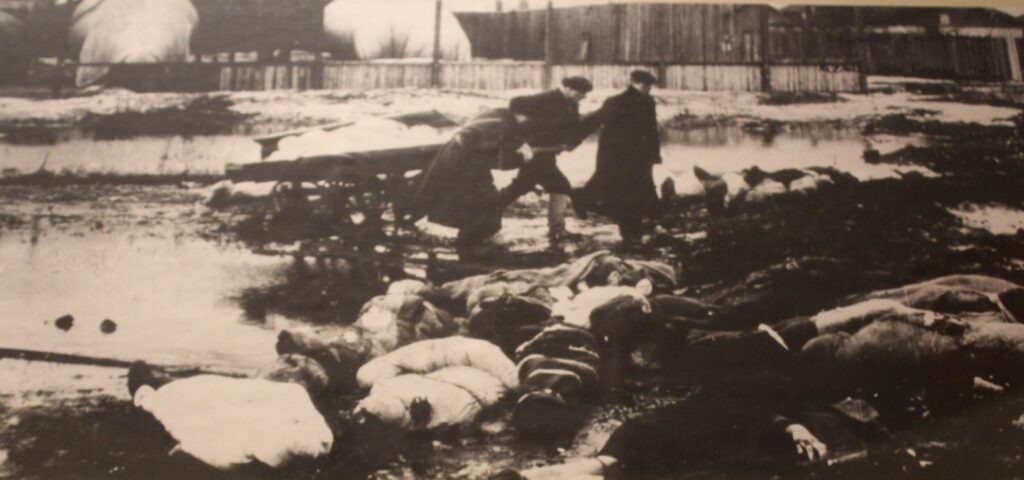
Every road and railway was cut off. Food rations dropped to almost nothing. Temperatures fell to -40°C. People ate pets, hunted rats, and in the most desperate cases resorted to cannibalism. Over the nearly 900-day siege, hundreds of thousands of civilians died.
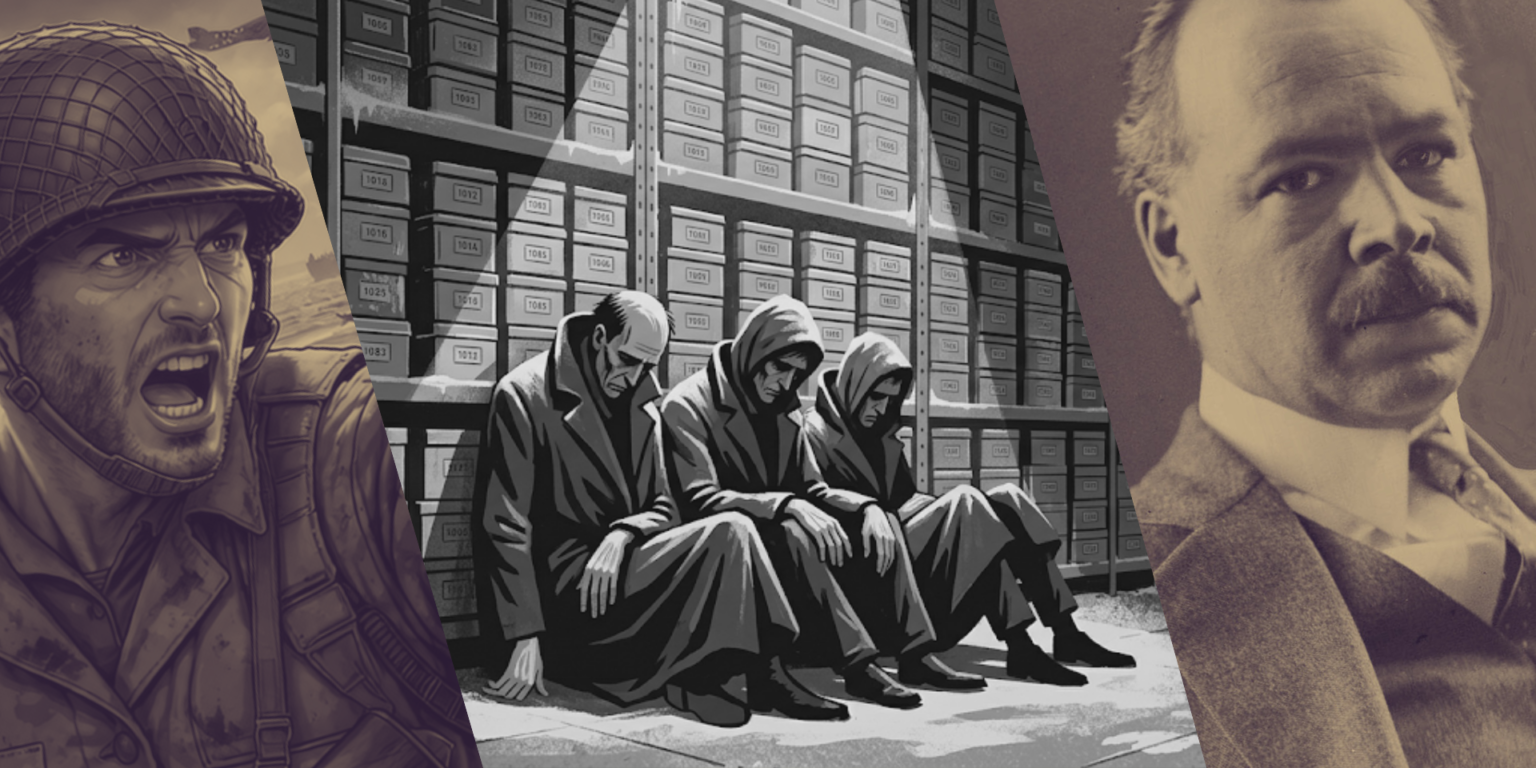
Inside the seed bank, a small group of botanists faced an almost impossibly cruel situation. They were sitting in a building containing 250,000 specimens, almost everything was edible, nuts, grains and vegetables — wheat, almonds, peanuts, potatoes, peas — enough to have kept them alive for months.
Also Read: How a Paper Clip Saved a $750 Million Bomber Plane
All around them the city was dying. Their colleagues were weakening daily. And yet they made a collective decision — nobody would touch the collection.
They understood that many of these varieties existed nowhere else on Earth and consuming them would mean losing forever what Vavilov had spent decades and thousands of miles collecting.
"wait, that's real?"
Instead, they spent their days fighting rats that chewed through the tin containers, throwing incendiary bombs off the roof during air raids, and slowly starving at their desks.
At least 19 scientists died. The most haunting death was Aleksandr Shchukin, found dead at his desk — with a packet of almonds clutched in his hand. Specimens he had refused to eat, even as they could have saved his life.
Another scientist, Lekhnovich, later said it was never actually difficult not to eat the collection — because consuming your life’s work, and the life’s work of everyone around you, felt simply impossible.
When the acting director sent a telegram essentially giving them permission to eat the seeds to survive, the remaining staff rejected it. Their response was direct — preserving the collection was everything, all other questions were secondary.
Their sacrifice was not in vain. Within decades, 40 million hectares of Soviet agricultural land were planted with crops derived from that collection, nearly doubling by 1979. Today, 90% of specimens that are held in St Petersburg (known as Leningrad at that time) exist in no other scientific collection in the world — just because those science heroes who chose to starve rather than eat what they were meant to protect.
And if you made it here, you’re probably the kind of person who’d like what we send on Sundays — stories like this, every week, straight to your inbox. Join our newsletter.
Further Reading: The Guardian, Wikipedia, NewScientist