

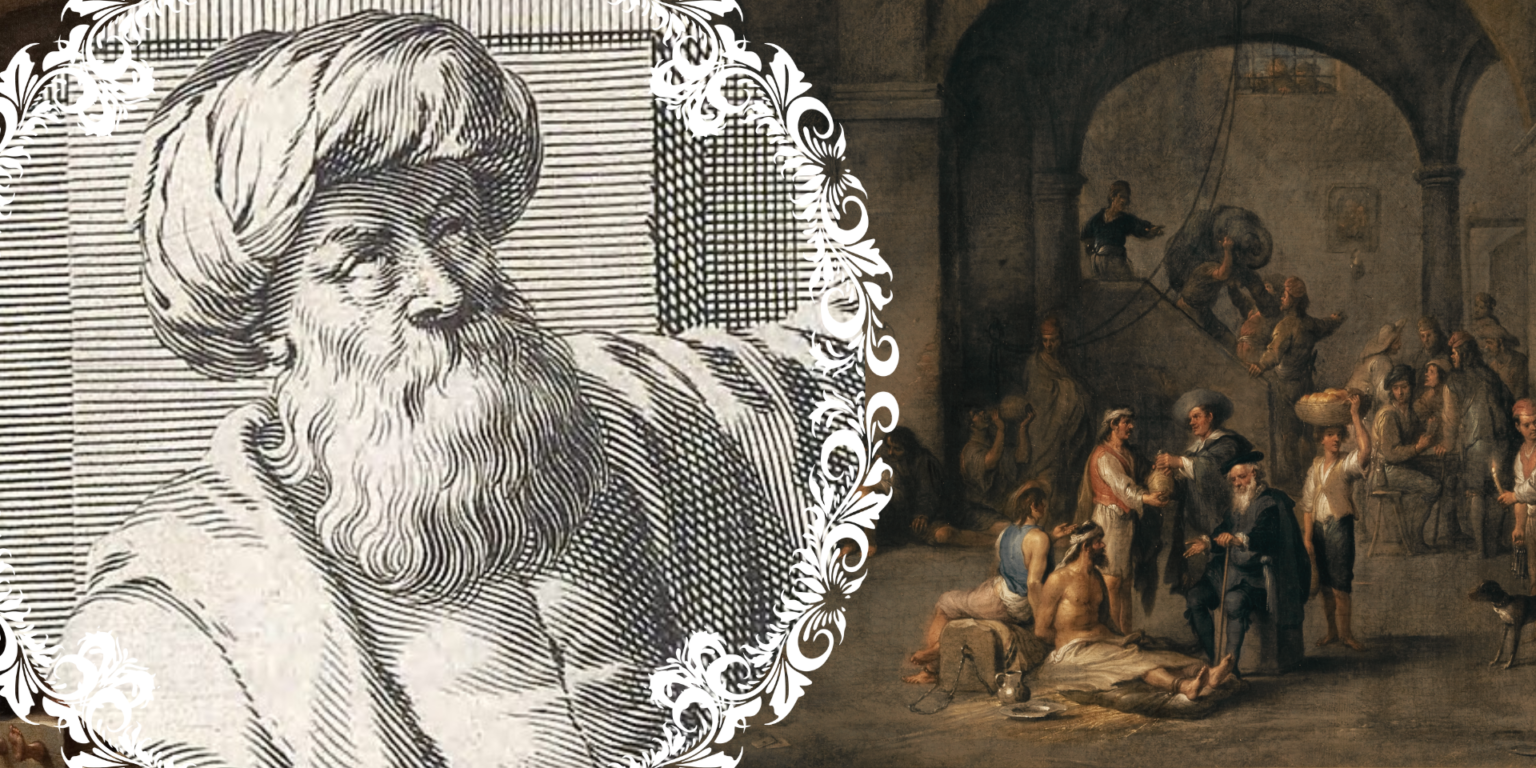
Ibn al-Haytham, also known as Alhazen, was born around 965 AD in Basra, Iraq. A mathematician, astronomer, and physicist of the Islamic Golden Age, he became famous across the region for his knowledge of applied mathematics — and his towering ambition.

"wait, that's real?"
That ambition nearly got him killed. He boasted to Egypt’s caliph Al-Hakim — a ruler notorious for cruelty and erratic behavior — that he could build a dam to control the Nile’s floods. When he arrived and saw the scale of the river, he realized that, with current technology, it was impossible. Al-Hakim’s wrath was certain.
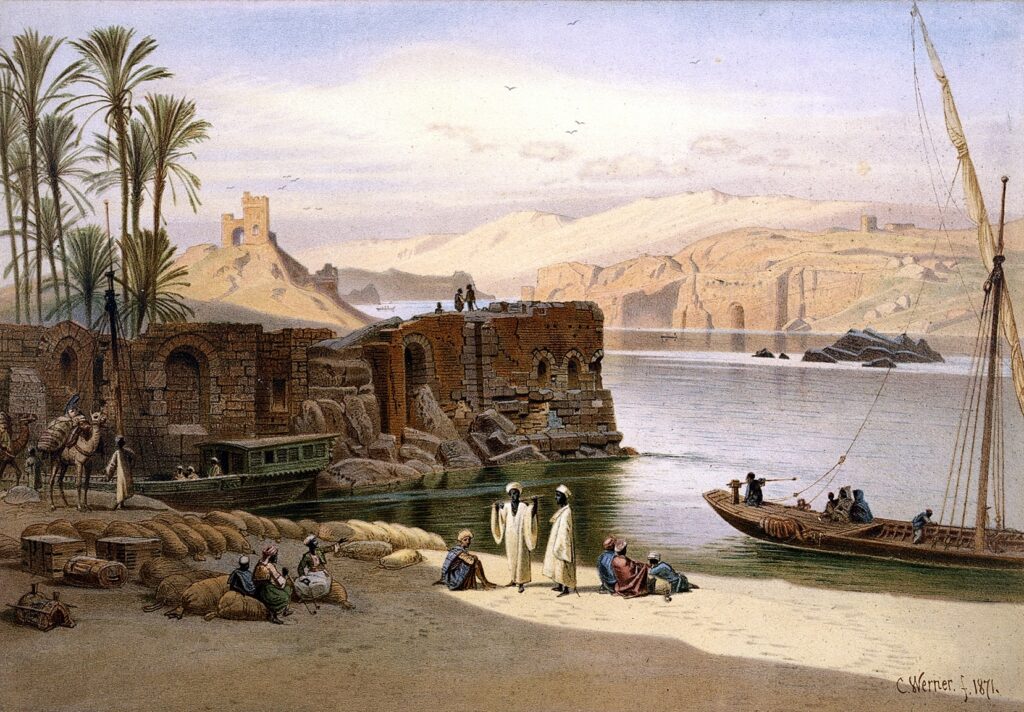
To avoid execution, he pretended to have lost his mind. It worked convincingly enough that Al-Hakim spared his life and placed him under house arrest instead — a sentence he endured for nearly a decade, until the caliph’s death in 1021. The mad ruler had no idea he’d just given science its most productive prisoner.
It was during this house arrest that he wrote the Book of Optics — seven volumes that would reshape how humanity understood light and vision. He was the first to correctly explain that vision works because light reflects off objects and enters the eye, overturning a belief held since Euclid that eyes emit rays outward.
Also Read: The Ghost of Flight 401: The Dead Crew That Kept Showing Up for Work
His work was later cited by Galileo, Descartes, and Kepler. Today, he is called the “father of modern optics” and sometimes described as the world’s “first true scientist” — a man who pioneered the scientific method five centuries before the Renaissance. He escaped a death sentence by playing mad, and used that time to change science forever — earning him a place on our Science Heroes list.
And if you made it here, you’re probably the kind of person who’d like what we send on Sundays — stories like this, every week, straight to your inbox. Join our newsletter.
Sources: Wikipedia, Britannica